 English
 Hindi
 Arabic
 Bengali
 Chinese
 French
 German
 Italian
 Japanese
 Korean
 Russian
 Spanish
 Thai
 Vietnamese


You change the bandage every day, yet the wound looks the same as it did two weeks ago. Or it closes, then reopens. When a wound behaves like this, the dressing is rarely the whole story. This guide explains how wound dressing differs from chronic wound care, what slows healing, and when to get a wound checked in Bangkok.
What Is the Difference Between Wound Dressing and Chronic Wound Care?
Wound dressing is the cleaning and covering of a wound, while chronic wound care also looks for the reason the wound is not healing and addresses it.
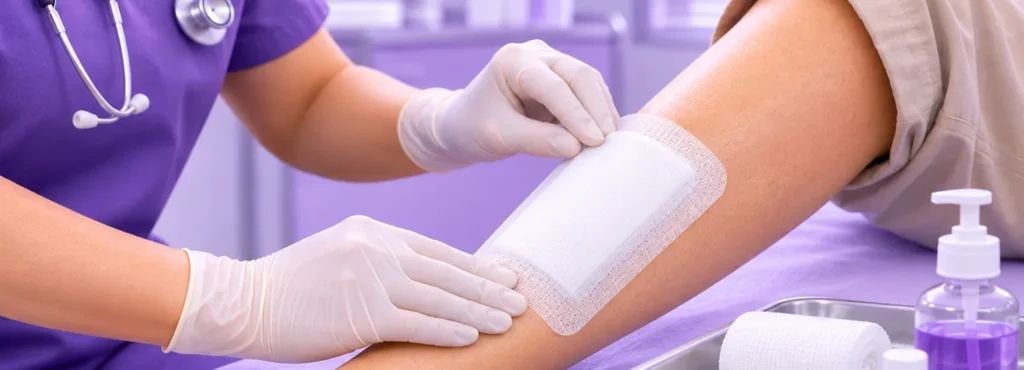
A dressing protects the wound from dirt and injury and helps keep the wound environment suitable for healing. The right choice depends on the wound type, depth, location, drainage, and the skin around it. No single dressing or change schedule suits every wound.
Chronic wound care is broader. It may involve checking circulation, managing infection when present, reducing pressure, and managing conditions such as diabetes. A fresh dressing cannot fix poor blood flow or constant pressure on the same spot.
When Is a Wound Considered Chronic?
A wound is generally considered chronic when it stalls instead of moving through the normal stages of healing, and no single timeframe applies to every wound.
Acute wounds usually heal in an orderly way: bleeding stops, the area cleans itself, new tissue forms, and the repair strengthens. Chronic wounds often get stuck in the inflammation stage. Published definitions vary, so the calendar alone is a poor guide. A wound that has stopped improving, or keeps reopening, deserves an assessment sooner rather than later.
Common examples include:
Diabetic foot ulcers
Venous leg ulcers
Arterial ulcers
Pressure injuries (bedsores)
Surgical wounds that heal slowly
Wounds that reopen or keep returning
Each has a different cause and needs a different approach.
Why Is My Wound Not Healing?

Wounds heal slowly when something interferes with blood flow, infection control, pressure, or the body’s repair resources, and the cause varies from person to person.
Common factors include:
Diabetes and persistently high blood glucose, which can also dull sensation in the feet
Poor circulation, which limits the oxygen and nutrients reaching the wound
Infection
Repeated pressure or friction
Smoking
Poor nutrition
Certain medications and health conditions
Limited mobility
Repeated injury or inadequate wound care
Healthy habits help, but lifestyle changes alone rarely resolve a chronic wound.
What Are the Warning Signs of an Infected Wound?
Wound infection symptoms include increasing redness, swelling, pain, pus, or a new odor, and you should not wait for every sign to appear before seeking help.
See a doctor soon if you notice:
Redness or swelling that is slowly increasing
More pain or tenderness
Pus or unusual discharge
An unpleasant odor along with other changes
A wound that is getting larger or deeper
Slow healing or repeated reopening
Seek urgent care if you have:
Rapidly spreading redness
Severe pain
Fever with worsening wound symptoms
Confusion or feeling very unwell
With diabetes or nerve damage, an infection can look milder than it is because pain may be reduced.
What Happens During a Professional Wound Assessment?
A wound assessment reviews the wound, the surrounding skin, your medical history, and the factors that may be slowing healing.
A clinician may look at:
Location, size, depth, and appearance
Discharge and possible signs of infection
Pain and tenderness
Diabetes and blood glucose control, where relevant
Circulation and sensation, especially for foot and leg wounds
Pressure, mobility, and other healing factors
Further tests are considered only when the wound or its suspected cause calls for them. Not every wound needs a swab, blood test, scan, or specialist referral.
What Does Professional Wound Care Involve?

Professional wound dressing is one part of medical wound care, which is tailored to the wound and the person rather than following a fixed protocol.
Depending on the situation, care may include:
Appropriate wound cleaning
A suitable dressing and protection for nearby skin
Monitoring progress at follow-up visits
Assessing and managing infection when clinically indicated
Pressure reduction (offloading) where appropriate
Checking circulation when needed
Managing contributing conditions such as diabetes
Referral to a specialist when necessary
Antibiotics are not needed for every wound and are used only when a clinician finds they are indicated. Removing dead tissue is a clinical procedure, so never try to cut or trim a wound yourself.
Can Chronic Wounds Be Managed at Home?
Basic wound care can continue at home once a healthcare professional has set the plan, but a slow-healing wound still needs regular professional review.
Follow the dressing instructions you were given
Keep the wound protected as advised
Avoid touching or picking at it
Skip unverified home remedies and harsh chemicals
Get checked if it worsens or stops progressing
If you have diabetes, poor circulation, reduced sensation, or a deep foot wound, do not delay assessment.
How often should a wound dressing be changed?
It depends on the wound, the amount of drainage, and the dressing used. Your clinician sets the schedule, so ask what to expect.
Can a diabetic wound heal on its own?
Minor wounds sometimes do, but diabetic wound care calls for extra caution. Reduced sensation and circulation can hide a worsening wound, so have foot wounds checked promptly.
Wound Dressing and Chronic Wound Care in Bangkok
In Bangkok, a wound care clinic can provide dressing and assessment, but timely review matters more than repeated dressing changes without checking progress.
Whether you live here or are visiting, tell the clinician about your medical history, allergies, medications, and existing conditions. Ask when follow-up is needed and when a specialist should look at the wound.
PrimeCare Bangkok offers wound care at home and in the clinic, including dressing changes, suture and staple care, wound assessment, and post-surgical follow-up by trained nurses. If you need a doctor instead, a doctor consultation is available at the clinic, or as a home or hotel visit. Please contact the Sukhumvit or Sathorn branch to confirm which option suits your wound.
Some wounds need more than a general clinic can offer, such as deep diabetic foot wounds, severe infections, or poor circulation. In those cases a doctor can discuss hospital referral. If you are unsure about your diabetes status, a health check-up includes a diabetes check.
Find the Reason, Not Just the Right Bandage
A wound that is not healing is telling you something. Understanding why it has stalled, and getting it assessed early, gives you the best chance of a plan that fits your situation.
This article offers general information and is not a substitute for individual medical advice.
Frequently Asked Questions
Q1. What is the difference between wound dressing and chronic wound care?
Ans. Wound dressing is the cleaning and covering of a wound, while chronic wound care also looks for the reason the wound is not healing and addresses it.
Q2. When is a wound considered chronic?
Ans. A wound is generally considered chronic when it stalls instead of moving through the normal stages of healing, and no single timeframe applies to every wound.
Q3. Why is my wound not healing?
Ans. Wounds heal slowly when something interferes with blood flow, infection control, pressure, or the body’s repair resources, and the cause varies from person to person.
Q4. What are the warning signs of an infected wound?
Ans. Wound infection symptoms include increasing redness, swelling, pain, pus, or a new odor, and you should not wait for every sign to appear before seeking help. Rapidly spreading redness, severe pain, fever with worsening wound symptoms, or confusion need urgent care.
Q5. How often should a wound dressing be changed?
Ans. It depends on the wound, the amount of drainage, and the dressing used. Your clinician sets the schedule, so ask what to expect.
Q6. Can a diabetic wound heal on its own?
Ans. Minor wounds sometimes do, but diabetic wound care calls for extra caution. Reduced sensation and circulation can hide a worsening wound, so have foot wounds checked promptly.
Q7. When should I see a doctor for a slow-healing wound?
Ans. See a doctor if a wound has stopped improving, keeps reopening, is getting larger or deeper, or shows increasing redness, swelling, pain, or discharge. If you have diabetes, poor circulation, reduced sensation, or a deep foot wound, do not delay assessment.
Q8. Where can I get wound dressing and wound care in Bangkok?
Ans. PrimeCare Bangkok offers wound care at home and in the clinic, including dressing changes, suture and staple care, wound assessment, and post-surgical follow-up by trained nurses. Contact the Sukhumvit or Sathorn branch to confirm which option suits your wound.
Sources
IWII. Wound Infection in Clinical Practice: International Consensus Update 2022. Journal of Wound Care, 2022.
IWGDF. Practical Guidelines on the Prevention and Management of Diabetes-Related Foot Disease, 2023 update.
IWGDF and IDSA. Guidelines on the Diagnosis and Treatment of Diabetes-Related Foot Infections, 2023.
Cardiff University. Need for Improved Definition of “Chronic Wounds” in Clinical Studies. Acta Dermato-Venereologica.
Prince of Songkla University. Hard-to-heal wounds review. Prince of Songkla University Medical Journal.