
 English
 Hindi
Hindi Arabic
 Bengali
 Chinese
 French
 German
 Italian
 Japanese
 Korean
 Russian
 Spanish
 Thai
Thai Vietnamese
Why Prevention Matters More Than You Think
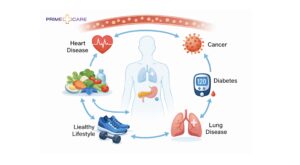
Non-communicable diseases (NCDs) are collectively responsible for around 70% of
deaths worldwide, according to the World Health Organization (WHO). These are not
infections. They do not spread from person to person. Instead, they develop slowly
over time — often shaped by daily habits and long-term lifestyle patterns.
The four major NCDs account for most of this burden:
- Cardiovascular disease (heart disease and stroke)
- Cancer
- Diabetes
- Chronic respiratory diseases (such as COPD and asthma)
These conditions share common risk factors — which means they also share
common prevention strategies.
Why Are NCDs Increasing?
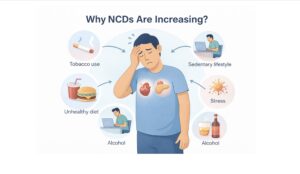
WHO identifies several key drivers behind the global rise of NCDs:
- Tobacco use
- Physical inactivity
- Harmful use of alcohol
- Unhealthy diets (high in refined carbohydrates, processed foods, excess salt,
and unhealthy fats)
Modern urban lifestyles — long work hours, stress, convenience foods, limited
movement — have made these risk factors more common. Over time, they
contribute to high blood pressure, obesity, insulin resistance, abnormal cholesterol,
and chronic inflammation — the metabolic foundation of many NCDs.
What You Can Do Now
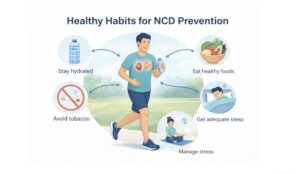
Prevention does not require extreme measures. It requires consistency.
Practical steps supported by global health guidelines include:
- Increasing intake of whole foods, vegetables, and fiber
- Reducing ultra-processed foods and excess sugar
- Engaging in regular physical activity (WHO recommends at least 150 minutes
of moderate-intensity activity per week) - Avoiding tobacco
- Limiting alcohol intake
- Prioritizing sleep and stress management
These are not trends. They are evidence-based strategies supported by decades of
public health research.
Early Detection Is Just as Important
Because NCDs develop gradually, routine screening is essential — even when you
feel well.
Prevention Is a Partnership
You cannot — and should not — replace your doctor.
But you can become an active participant in protecting your long-term health.