
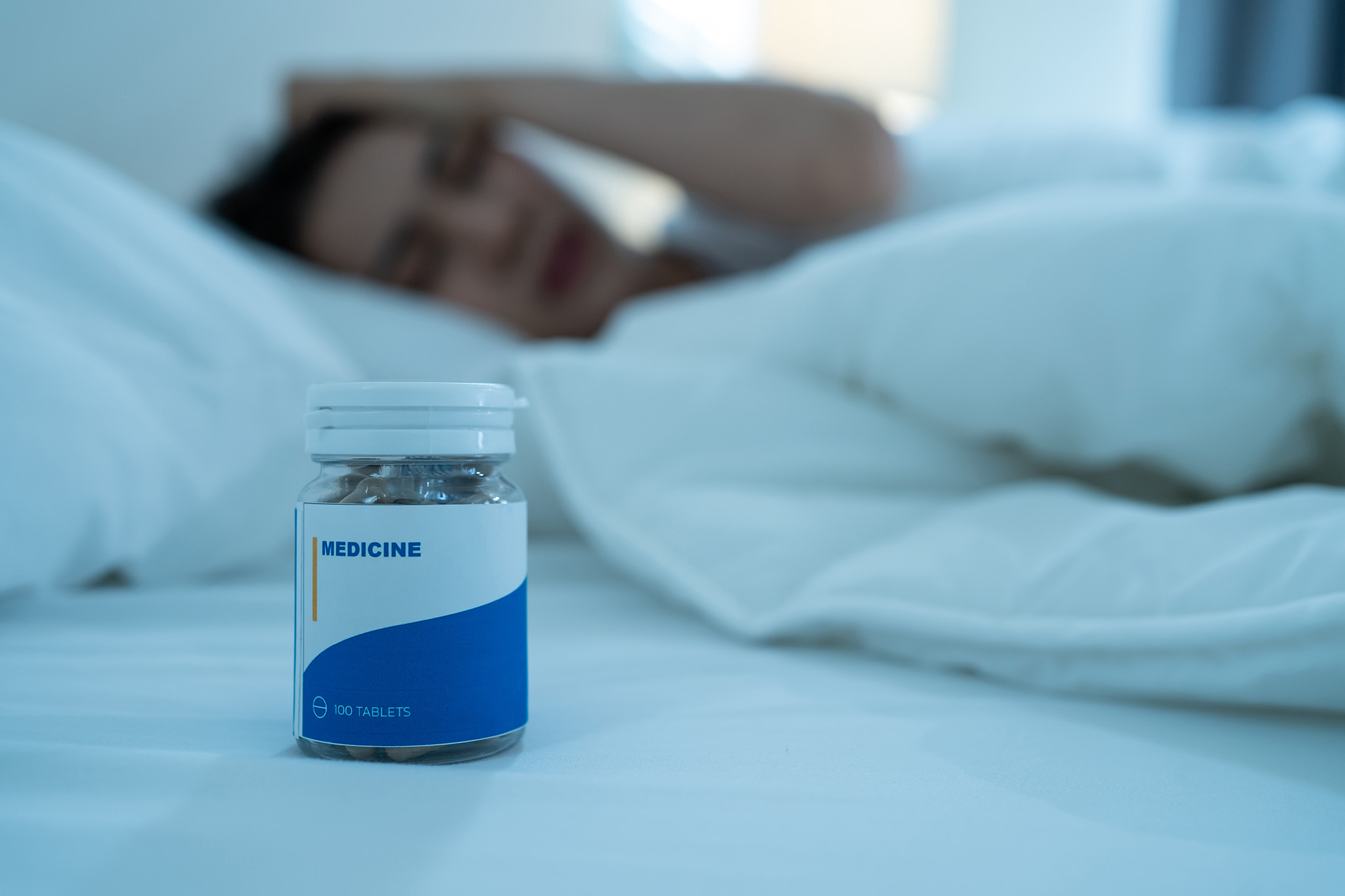
Why Melatonin Isn’t a Magic Pill
Many people turn to melatonin when they can’t sleep. But then they ask: “Why am I still lying awake?” or “Why do I feel groggy after?”
The truth is, melatonin isn’t a sedative — it’s a hormone that helps regulate your body clock. If you’re taking it in the wrong dose, at the wrong time, or in the wrong form, it may not work the way you expect.
Common Mistakes with Melatonin
- Too high a dose: More is not better. High doses can cause vivid dreams, headaches, or daytime drowsiness.
- Using it for the wrong type of insomnia: Not all sleep problems are the same, and melatonin doesn’t fit every case.
- “Up-dosing” when it doesn’t work: If melatonin isn’t helping, simply increasing the dose is rarely the solution.

Different Types of Insomnia, Different Approaches
- Sleep-onset insomnia (trouble falling asleep): A sublingual (under-the-tongue) form works faster because it bypasses digestion and enters the bloodstream quickly.
- Sleep-maintenance insomnia (waking up during the night or too early in the morning): An oral or extended-release form can help support sleep throughout the night.
Understanding your sleep pattern is key to choosing the right formulation.
Why Sleep Matters
Sleep isn’t just “rest” — it’s one of the most powerful revitalizing processes in the human body. During sleep, your brain and body perform essential maintenance that you can’t get any other way.
- Brain & Memory: Sleep clears out toxins that build up in the brain during the day, consolidates memory, and sharpens learning and focus.
- Hormone Balance: Growth hormone peaks at night to repair muscles, support metabolism, and slow the aging process. At the same time, cortisol levels reset, melatonin rises, and appetite hormones (leptin and ghrelin) rebalance. Without sleep, these systems drift out of sync.
- Immune System: Infection-fighting cells and antibodies are produced while you sleep, making you more resilient against illness.
- Metabolism & Weight: Poor sleep impairs insulin sensitivity and raises appetite, increasing risk of weight gain and diabetes.
- Skin & Repair: Collagen production and tissue repair occur at night, meaning sleep directly influences how you age on the outside as well as the inside.
- Mood & Mental Health: Deep, restorative sleep stabilizes mood, reduces anxiety, and protects against depression.
In short: sleep is not a luxury — it’s a biological necessity. Cutting corners on sleep accelerates aging, while quality sleep slows it down and restores vitality.

Beyond Melatonin: A Whole-Person Approach
At PrimeCare, we don’t just hand out melatonin. We:
- Tailor the dose and form to your sleep type and lifestyle
- Assess diet and habits that may be sabotaging your rest (like caffeine, late-night light exposure, or lack of tryptophan-rich foods)
- Guide lifestyle changes like optimizing your bedtime environment, exercise timing, and stress management
Your Sleep, Your Plan
Melatonin can be a powerful tool, but only when used correctly. The key is matching the right dose and form to your specific sleep problem — and supporting it with lifestyle strategies.
Book a consultation with PrimeCare to get a personalized sleep plan, designed around your biology and your life.