 English
 Hindi
Hindi Arabic
 Bengali
 Chinese
 French
 German
 Italian
 Japanese
 Korean
 Russian
 Spanish
 Thai
Thai Vietnamese

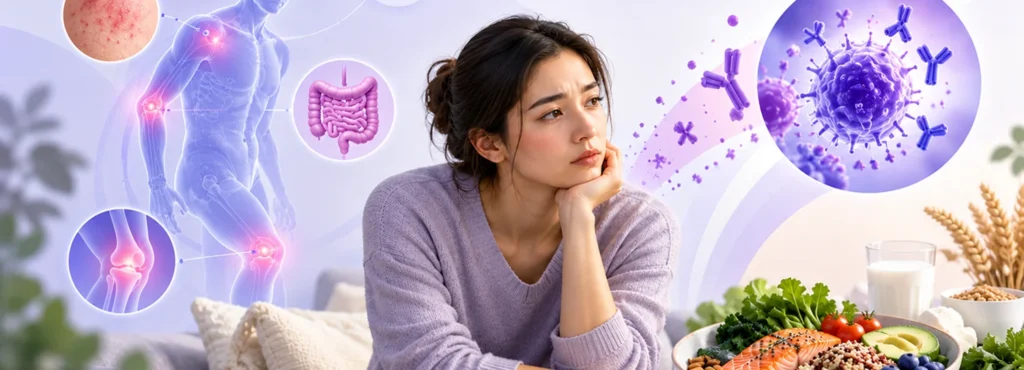
Somsak’s colleague swore by a green juice cleanse every time flu season hit the office. Another swore by megadose vitamin C. Somsak tried both one year and still ended up with the same cold that went around the building anyway. That’s usually the moment people start wondering whether any of this actually works, or whether it’s mostly marketing dressed up as biology.
Here’s the more honest answer: your immune system isn’t something you switch on with a supplement or a single “detox” week. It’s a slow-built, ongoing system that responds to how you sleep, eat, move and manage stress over months, not days.
Why “Boosting” Immunity Isn’t Really How It Works?
Health authorities have quietly moved away from the word “boost” for a reason. An immune system that’s artificially ramped up isn’t automatically a healthier one, overactivation is linked to its own problems, including autoimmune and inflammatory conditions. The more accurate goal isn’t maximum immune activity, it’s a well-regulated system that responds appropriately when it needs to and calms back down when it doesn’t.
That reframing matters because it changes what “working” even looks like. You’re not trying to flood your body with extra immune firepower. You’re trying to give it the conditions it needs to function the way it’s designed to.
What Actually Supports Your Immune System?
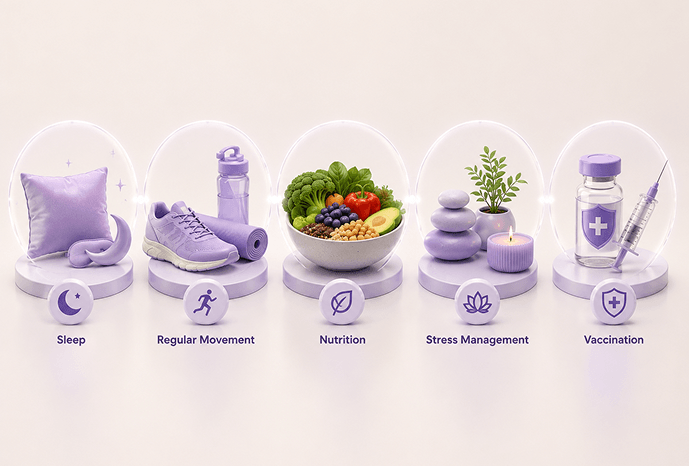
Sleep does more heavy lifting here than most people expect. During sleep, your body produces and regulates immune signalling proteins involved in fighting infection, and chronic sleep loss has been linked to increased inflammation and altered immune cell activity. This isn’t about one good night before a big event, it’s about consistency over weeks.
Regular movement, in moderate amounts, is associated with lower rates of infection and better long-term immune function. Interestingly, very intense or prolonged exercise without adequate recovery can temporarily do the opposite, which is why athletes in heavy training blocks sometimes get sick more, not less.
Nutrition matters, but mostly in the unglamorous way: a varied diet with enough fruit, vegetables, protein and whole grains gives your body the nutrients, vitamin C, vitamin D, zinc, selenium, among others, it needs to support immune cell function. Whole foods tend to outperform isolated supplements here, partly because nutrients often work better in combination than alone.
Stress management and avoiding smoking or excess alcohol round out the list. None of these are dramatic interventions. They’re the same habits that show up in most general health advice, because the immune system isn’t a separate system you manage on its own, it’s affected by nearly everything else going on in your body.
Vaccination deserves a specific mention here too: it remains one of the most well-established ways to build targeted immunity against specific diseases, working differently from general lifestyle support but complementing it.
What About Supplements and Immune-Boosting Products?
If you’re not deficient in a nutrient, taking more of it generally doesn’t translate to a stronger immune response, your body simply excretes or stores the excess. Evidence for many popular “immune-boosting” supplements, including high-dose vitamin C and various herbal blends, remains limited or mixed for people who are otherwise healthy. That doesn’t mean every supplement is useless, some people do have genuine deficiencies worth correcting, but it does mean a product claiming to “supercharge” your immune system overnight should be viewed with some skepticism rather than taken at face value.
When Frequent Illness Might Need a Closer Look?
Getting a cold once or twice a year, especially during seasonal peaks, isn’t unusual and doesn’t necessarily point to a weak immune system. It’s worth discussing with a healthcare professional if you notice infections that are unusually frequent, more severe than expected, slow to resolve, or accompanied by other symptoms like persistent fatigue, unexplained weight loss, or wounds that heal slowly. These patterns don’t automatically mean something serious is happening, but they’re the kind of thing that benefits from an actual evaluation rather than another round of supplements.
What You Can Actually Do Starting Today?
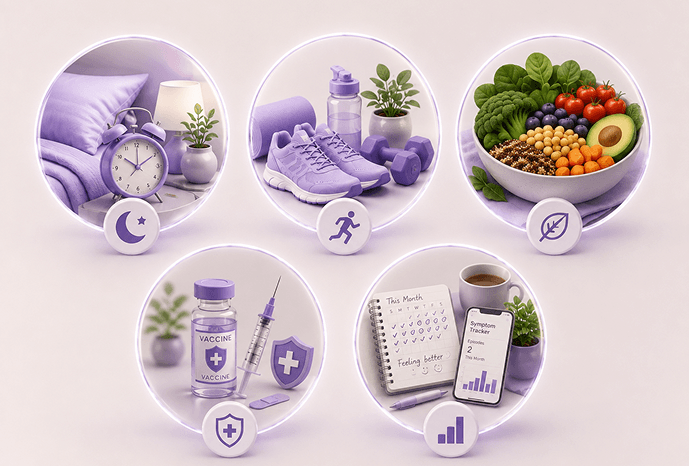
- Protect a consistent sleep schedule, not just total hours
- Aim for regular, moderate physical activity rather than occasional intense bursts
- Build meals around a variety of whole foods rather than relying on a single “superfood”
- Stay up to date on recommended vaccinations
- Notice patterns in how often you’re getting sick, and mention them to a healthcare professional if they seem to be increasing
None of this is glamorous, and that’s honestly the point, the habits that hold up over time rarely are.
A Final Note
There’s no single food, supplement or routine that builds strong immunity by itself, and anything promising an overnight fix is worth a second look. If you’re noticing a pattern of frequent or unusual illness that doesn’t seem to be improving with the basics, that’s a reasonable reason to talk to a qualified healthcare professional rather than trying to solve it through another product. This article is general information, not a substitute for individual medical assessment.
Frequently Asked Questions
Q1. Can you actually boost your immune system?
Ans 1. Not in the sense most marketing implies. Your immune system isn’t a dial you turn up, it’s a balanced system that works best when it’s well-regulated, not maximally active. Making it more active than normal isn’t automatically a good thing; it’s linked to inflammatory and autoimmune problems. What genuinely helps is supporting the conditions your immune system needs to function properly: enough sleep, regular movement, balanced nutrition, and staying up to date on vaccinations.
Q2. Do vitamin C or other supplements prevent colds?
Ans 2. For most healthy people who aren’t deficient in a nutrient, evidence for high-dose vitamin C or similar supplements preventing colds is limited or mixed. If you already get enough of a nutrient from food, taking more generally doesn’t add extra immune protection, your body just excretes or stores the excess. Supplements can matter if you have an actual deficiency, but that’s a different situation from taking them “just in case.”
Q3. Does exercise help or hurt immunity?
Ans 3. Both, depending on the amount. Regular, moderate physical activity is associated with lower infection rates and better long-term immune function. But very intense or prolonged exercise without enough recovery can temporarily do the opposite, which is part of why athletes in heavy training blocks sometimes get sick more often, not less.
Q4. How much sleep does your immune system need?
Ans 4. There’s no single magic number that applies to everyone, but consistent, adequate sleep matters more than people expect. During sleep, your body produces and regulates proteins involved in fighting infection, and ongoing sleep loss has been linked to increased inflammation and altered immune activity. One good night before a big event doesn’t undo weeks of poor sleep, consistency is what counts.
Q5. When should frequent illness be checked by a doctor?
Ans 5. Getting sick once or twice a year, especially during seasonal peaks, isn’t unusual on its own. It’s worth talking to a healthcare professional if you notice infections that are unusually frequent, more severe than expected, slow to clear up, or come with other signs like persistent fatigue, unexplained weight loss, or slow-healing wounds. These patterns don’t automatically mean something serious, but they’re worth an actual evaluation rather than another supplement.